History
The ancient history of Hawraman in the Zagros mountains!
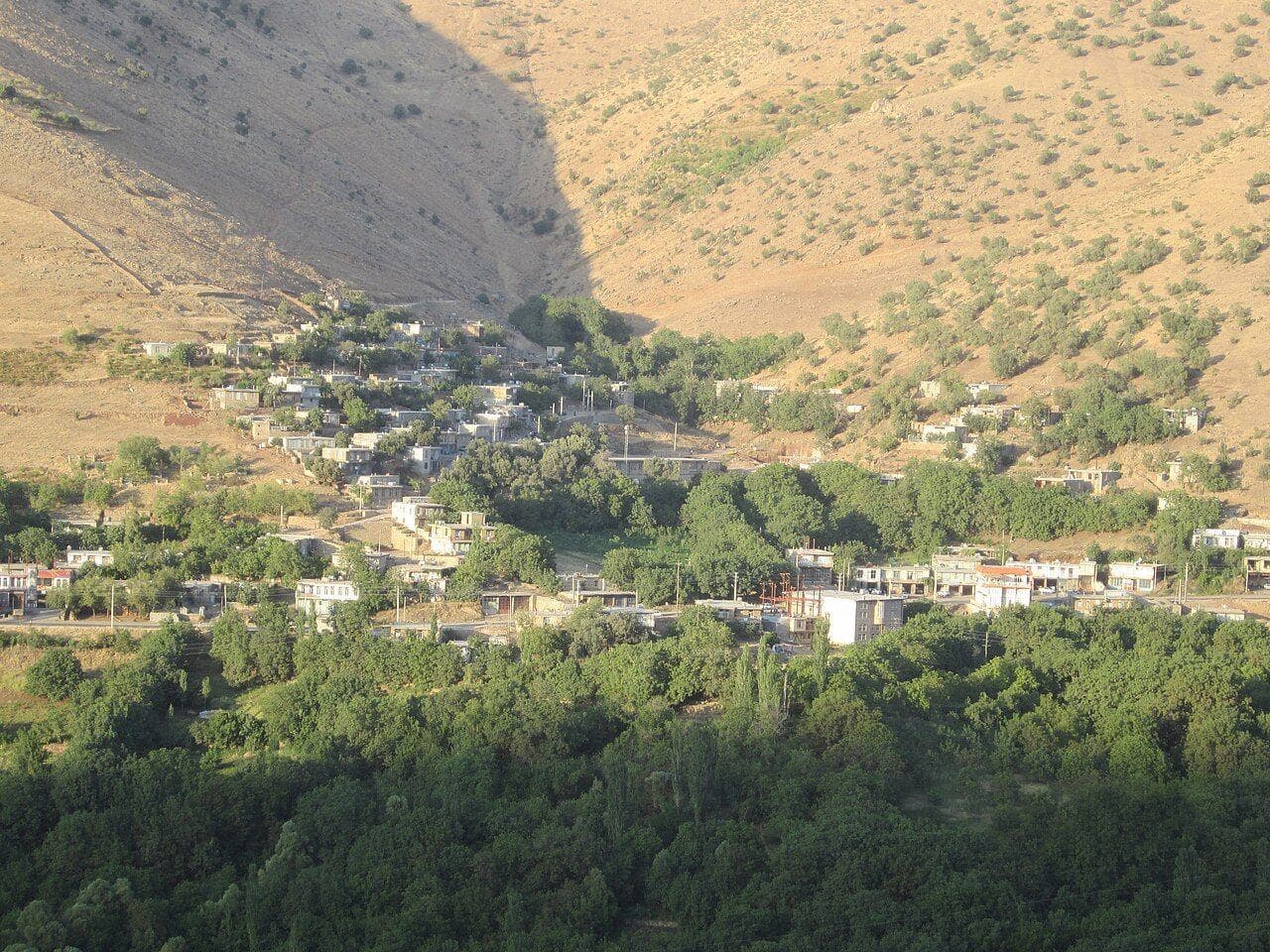
Hawraman is a mountainous and ancient region whose people have preserved their own language and culture and have continued for hundreds of years.
Read moreHawraman is a mountainous and ancient region whose people have preserved their own language and culture and have continued for hundreds of years.
Read more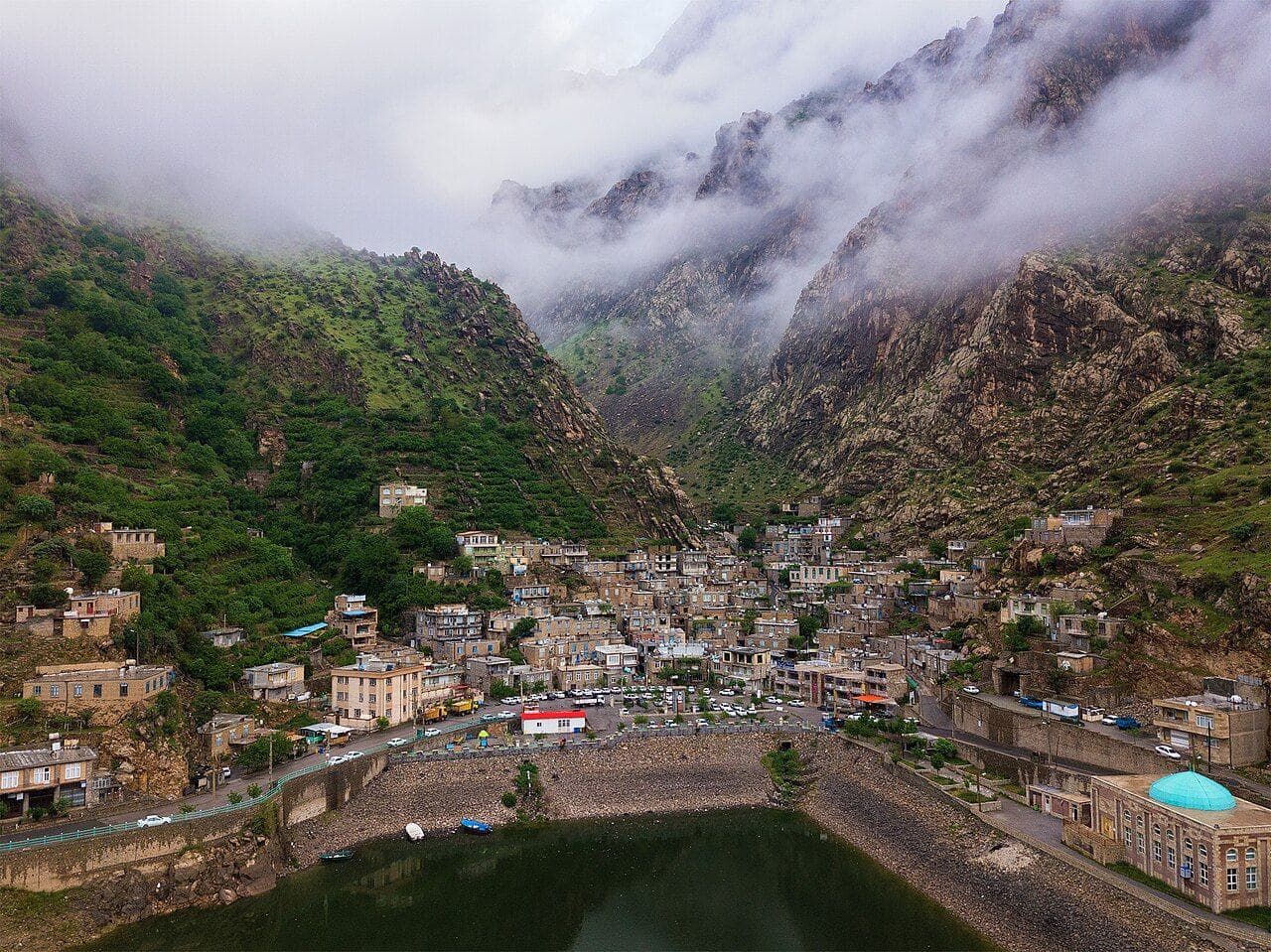
Hawraman is a mountainous and ancient region whose people have preserved their own language and culture and have continued for hundreds of years.
Read more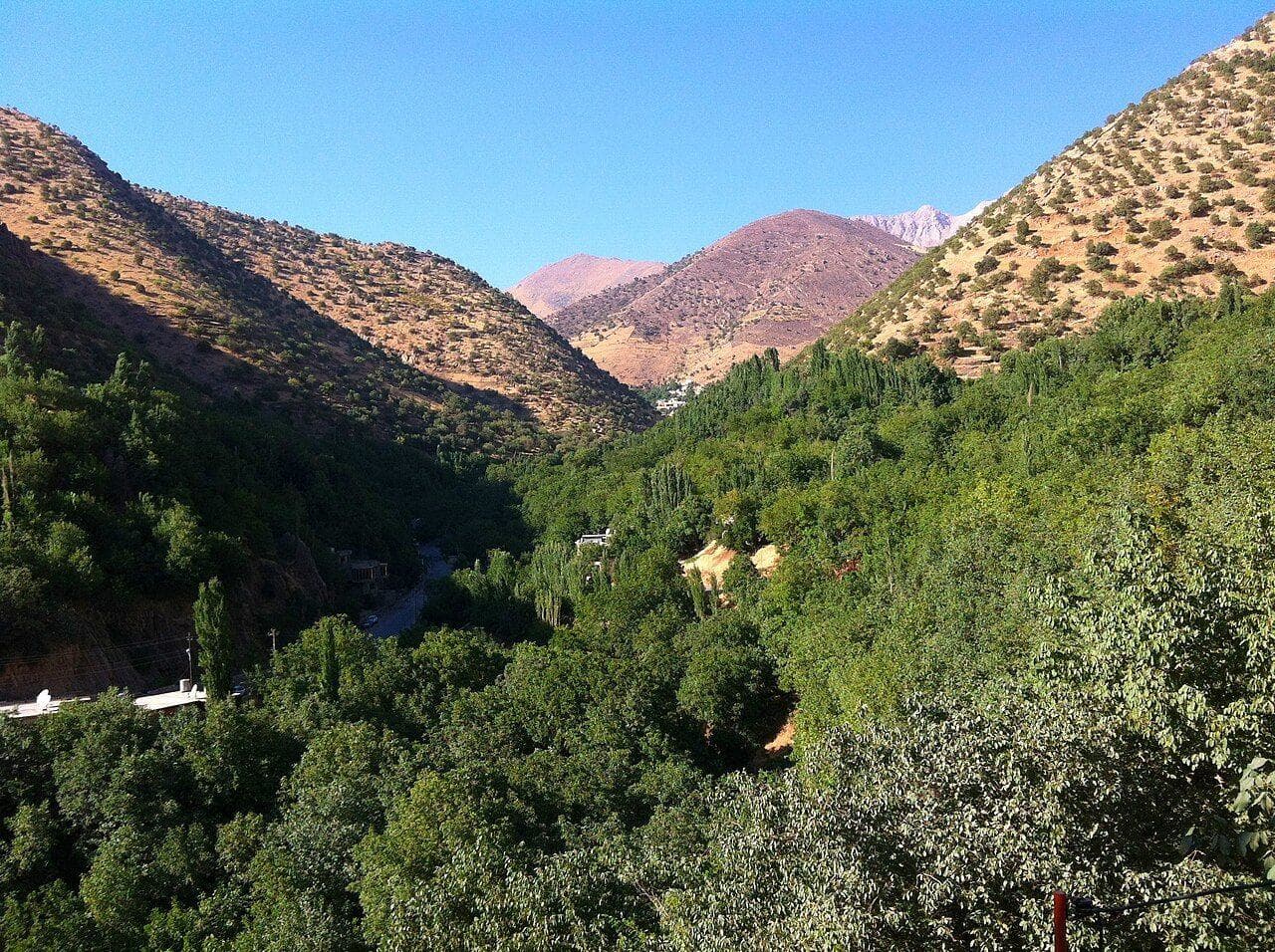
Hawraman is a mountainous and ancient region whose people have preserved their own language and culture and have continued for hundreds of years.
Read moreLive
There is no live broadcast right now. Please come back later.
Next broadcast:
Earlier broadcasts on YouTube (opens in a new tab)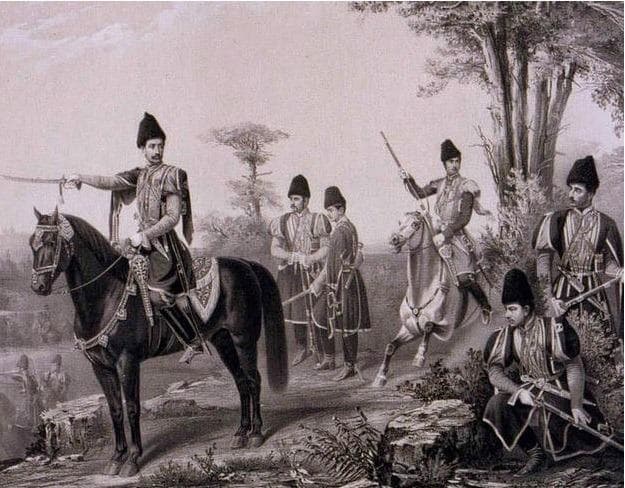
History
Hawraman is one of the oldest inhabited regions of Kurdistan. Here you can read the long history of this region from ancient times to today.
From the ancient era and the Zoroastrian religion to the coming of Islam and the modern age, the people of Hawraman have preserved their own language, customs and way of life. The terraced villages, old writings and oral stories are part of that heritage.
In the Middle Ages the region was an important trade route, and caravans passed between the mountains. These connections influenced the food, clothing and songs of the people.
Today Hawraman is known for its mountain villages and beautiful nature, and young people are trying to write their language and preserve it for future generations.
In this section you can read the eras one by one and find old pictures and documents.
Read the history of Hawraman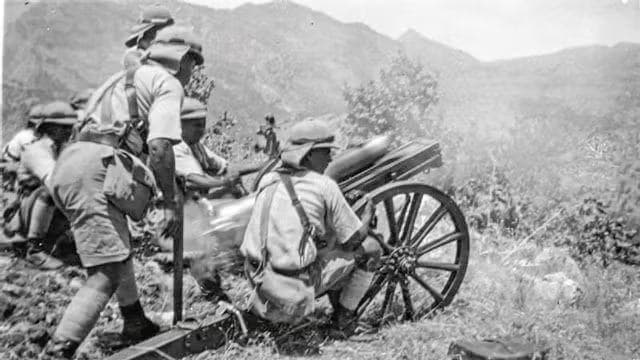
About us
We are a volunteer society and our aim is to protect the history, language and culture of Hawraman and pass them on to future generations. Through this website we publish news, articles and old pictures.
The members of the society live in several countries and gather every year to talk and make plans. Anyone who is interested can take part.
Our work consists of collecting oral stories, pictures and old documents, writing the history in the Hawrami language, and organising events and cultural gatherings for young and old people.
A language that is not written is forgotten.